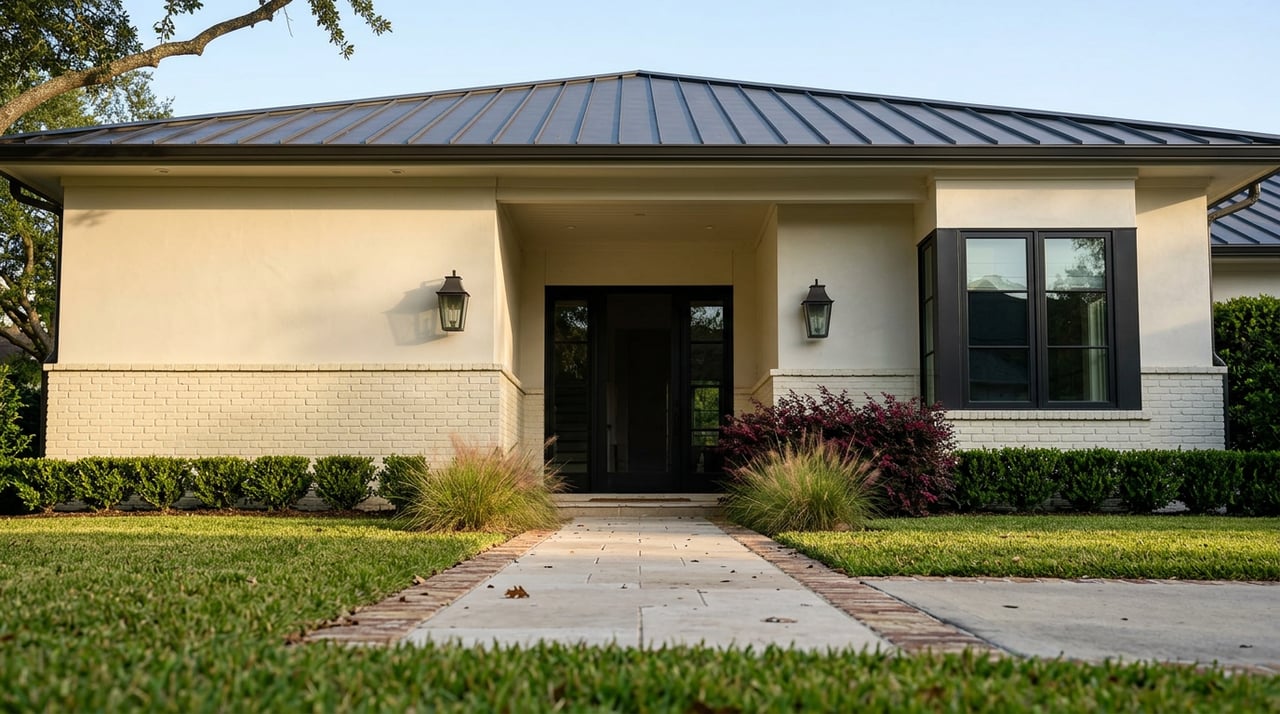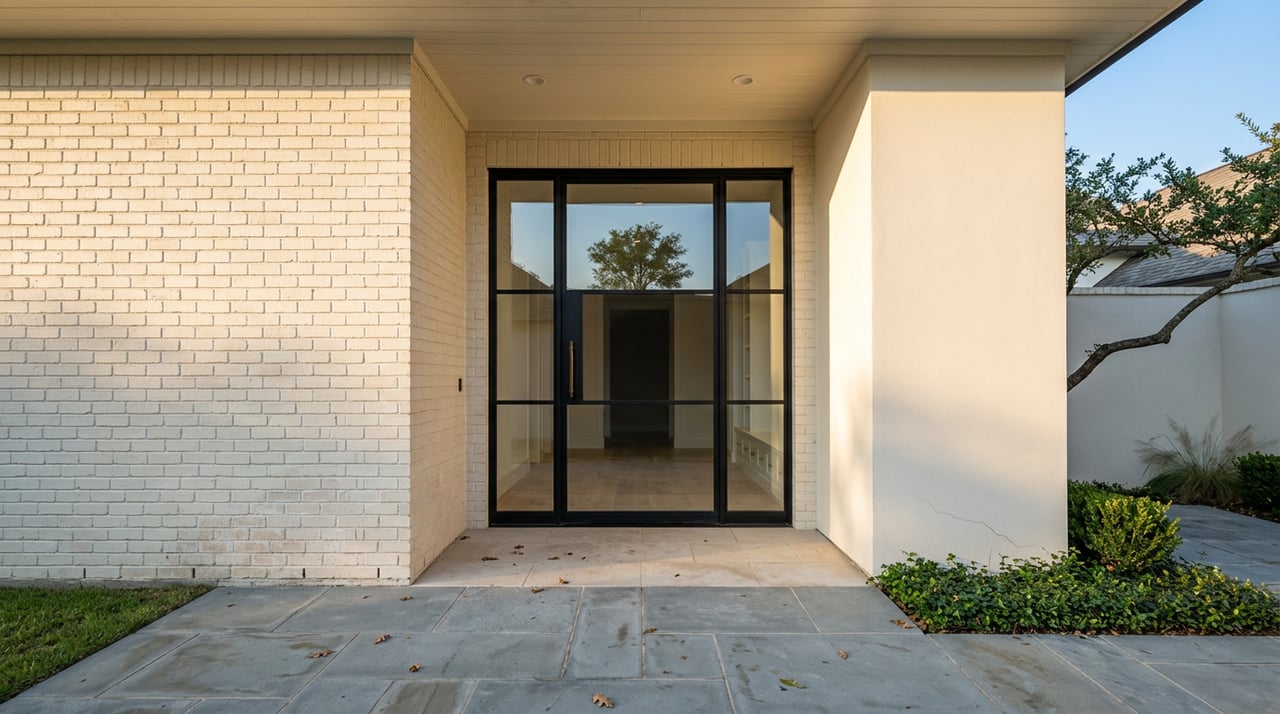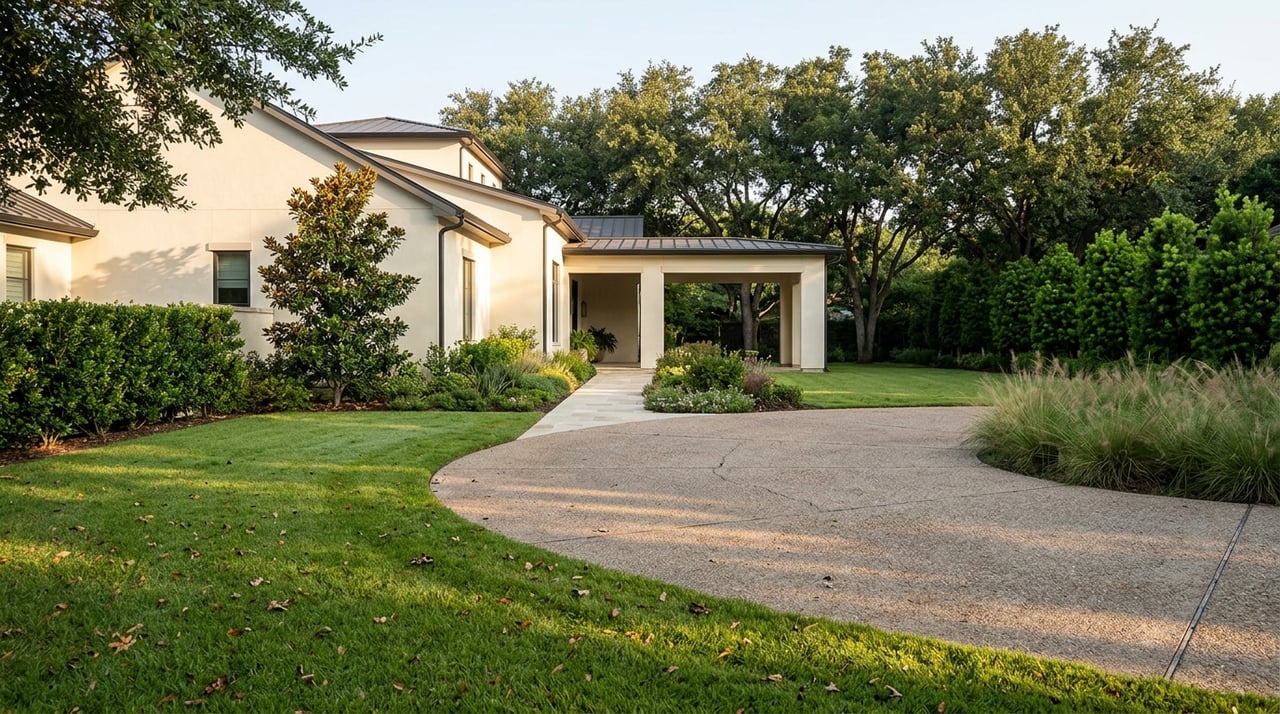
If you are weighing the privacy of an estate against the ease of a luxury condo, your decision is really about how you want to live day to day. In and around River Oaks, that choice can feel especially nuanced because the city is small, mature, and shaped by an older housing stock. The right fit depends on how much space, control, upkeep, and flexibility you want. Let’s break it down.
River Oaks Housing Context
River Oaks is a compact city of about 1.9 square miles on the west side of the Dallas-Fort Worth metroplex. The city reports fixed boundaries, and much of its housing dates to the late 1940s, which gives the area a more established feel than a newer master-planned community.
That context matters when you compare estates and condos. In River Oaks itself, detached homes are generally more consistent with the local housing pattern, while a true luxury condo search may require you to look into nearby Fort Worth submarkets. In other words, your comparison may not always happen on the same block, or even within the same city limits.
Estate vs Condo Ownership
A detached estate and a condo may both be luxury purchases, but they come with very different ownership structures. That difference affects everything from maintenance to renovations to resale planning.
What You Own With an Estate
With a detached estate, you typically own the home and the land under fee-simple ownership. That usually gives you more direct control over the lot, the exterior, and the way the property functions as a whole.
For many buyers, that means more room for outdoor living, entertaining, pets, storage, and future changes. If you value having full use of the lot and more freedom to shape the property over time, this structure often feels more straightforward.
What You Own With a Condo
With a Texas condo, you own your unit plus a shared interest in the common elements. That means part of your ownership experience is tied to the association and the way the building or community is governed.
This setup can be very appealing if you want a smaller footprint and a more simplified day-to-day routine. It also means your ownership is more document-driven, both before closing and throughout the time you own the property.
Lifestyle Differences That Matter
For most luxury buyers, the best choice comes down less to price and more to lifestyle. The legal structure shapes how the home actually feels to live in.
Privacy and Personal Control
If privacy and control are at the top of your list, a detached estate usually has the advantage. You control the entire building and lot, which often gives you more separation from neighbors and more flexibility in how you use your space.
A condo offers private ownership too, but within a shared environment. You trade some privacy and customization latitude for convenience, shared features, and a more collective approach to the property.
Maintenance and Lock-and-Leave Ease
If you travel often or simply do not want to handle as much exterior upkeep, a condo is often the easier lock-and-leave option. Many shared and exterior responsibilities are handled at the association level, even though the owner still remains responsible for the interior of the unit.
By contrast, a detached estate owner generally carries more direct responsibility for the roof, exterior, landscaping, and site maintenance. That can be well worth it if you want the space and independence, but it does create a different ownership rhythm.
Space and Long-Term Flexibility
An estate is often a better fit if you want room to spread out or adapt the property over time. Buyers who prioritize outdoor living, entertaining, future remodeling, or additions usually lean toward detached ownership.
A condo is often the better match if you want a luxury residence with less square footage to manage. If your priority is ease, efficiency, and a more streamlined lifestyle, the condo model can make a lot of sense.
Association Rules Are Part of Both Options
One common misconception is that only condo owners deal with association rules. In Texas, that is not always true.
Condo Associations
Texas condo ownership is association-dependent by design. Sellers are required to provide key documents such as the declaration, bylaws, rules, and a resale certificate prepared no more than three months before delivery.
Texas law also requires condo associations to maintain detailed financial records and board minutes and to obtain an annual audit. For you as a buyer, that makes document review an essential part of the decision.
Estate HOAs and Property Owners' Associations
An estate can also come with rules if it sits in a homeowners association or property owners’ association. Under Texas law, these associations may impose regular assessments, special assessments, and standards for exterior changes through architectural review.
So while detached ownership usually offers more control, it does not automatically mean no restrictions. The difference is usually in scope. A single-family association often focuses on the lot and exterior standards, while a condo association governs unit and common-element matters more broadly.
Costs: How to Compare Them Clearly
Luxury buyers often ask whether one option is less expensive to own. The better question is how the costs are packaged.
Property Taxes in River Oaks
Texas property taxes are local and based on market value as of January 1, and Texas does not have a state property tax. The City of River Oaks adopted a 2025 tax rate of $0.743991 per $100 of assessed value.
The practical takeaway is simple: taxes are driven more by appraised value, exemptions, and taxing jurisdictions than by whether the property is a condo or a detached estate. A condo is not automatically taxed less just because it is a condo.
Dues, Assessments, and Direct Expenses
Condo owners typically pay association dues or assessments that support shared services, reserves, and common-area upkeep. That can simplify monthly budgeting, but it also means you need to understand what those dues cover and whether the association may need future special assessments.
Estate owners may pay less in recurring dues, but more of the upkeep is handled directly. Repairs, yard work, exterior care, and service contracts may sit more squarely on your shoulders.
Insurance Differences
Insurance is another area where the ownership structure matters. Texas condo guidance explains that condo insurance generally covers your personal property and the interior of the unit, while the building owner’s policy covers the building.
That reflects a broader difference in responsibility. With a detached estate, your insurance and maintenance planning often cover more of the structure and site directly, and costs can vary based on age, condition, replacement cost, and location.
How to Decide Which Fits You
If you are choosing between an estate and a luxury condo, start with your routine rather than the listing photos. The right answer becomes clearer when you think about how you want to live six months after closing.
An Estate May Fit Better If You Want:
- More privacy
- Outdoor living space
- Room for entertaining
- Space for pets
- Greater control over the property
- Flexibility for future remodeling or additions
A Luxury Condo May Fit Better If You Want:
- Easier lock-and-leave living
- Less day-to-day exterior upkeep
- Shared amenities
- A smaller footprint to manage
- A more streamlined ownership experience
Due Diligence Before You Make an Offer
No matter which direction you lean, careful review matters. In a market like River Oaks, where the city is small and much of the housing stock is older, the exact property and submarket can make a major difference.
If You Are Buying a Condo
Ask to review:
- The declaration
- The bylaws
- The association rules
- The resale certificate
- Dues and assessment history
- Reserve strength
- Parking and use rules
- Renovation approval requirements
- Any special-assessment language
If You Are Buying an Estate With an HOA
Ask to review:
- Restrictive covenants
- Board policies
- Budget and assessment history
- Architectural-review standards
- Exterior change approval rules
- Any special-assessment provisions
Association financial health should be treated as a core diligence item, not a last-minute detail. In Texas, assessments can be regular or special, and associations have formal collection tools, so the paper trail matters.
The River Oaks Takeaway
In River Oaks, the estate-versus-condo question is not just about size or style. It is also about local inventory, ownership structure, and how much responsibility you want to carry personally.
Because River Oaks is small, built out, and largely shaped by older detached housing, many buyers looking for estate living may find a more natural fit within the city itself. Buyers who prefer a luxury condo lifestyle may need to broaden the search into nearby Fort Worth areas to find the right building, amenities, and level of service.
A thoughtful comparison can save you from buying the wrong kind of luxury. If you want a discreet, relationship-driven advisor to help you weigh lifestyle, ownership, and property details with confidence, Carol Wolfe Properties is here to help.
FAQs
In River Oaks, is a detached estate usually easier to find than a luxury condo?
- Yes. River Oaks is a small, mature city with housing that largely dates to the late 1940s, so detached homes are more consistent with the local housing pattern, while a true luxury condo search may extend into nearby Fort Worth submarkets.
Does buying a luxury condo in Texas eliminate maintenance responsibilities?
- No. A condo can reduce your direct burden for many shared and exterior items, but you still maintain the interior of your unit and pay dues or assessments that support the association.
Can a River Oaks estate still have HOA rules in Texas?
- Yes. A detached home can still be subject to a homeowners association or property owners’ association that imposes assessments and reviews certain exterior changes.
Are property taxes lower in River Oaks just because a home is a condo?
- Not necessarily. Texas property taxes are based on market value and local taxing jurisdictions, so tax cost depends more on value, exemptions, and location than on the ownership type alone.
What documents should you review before buying a Texas condo?
- The key documents are the declaration, bylaws, association rules, and resale certificate, along with dues history, reserve information, and any special-assessment language.
What documents should you review before buying a River Oaks estate with an HOA?
- Focus on the restrictive covenants, board policies, budget or assessment history, and any architectural-review standards or approval requirements.