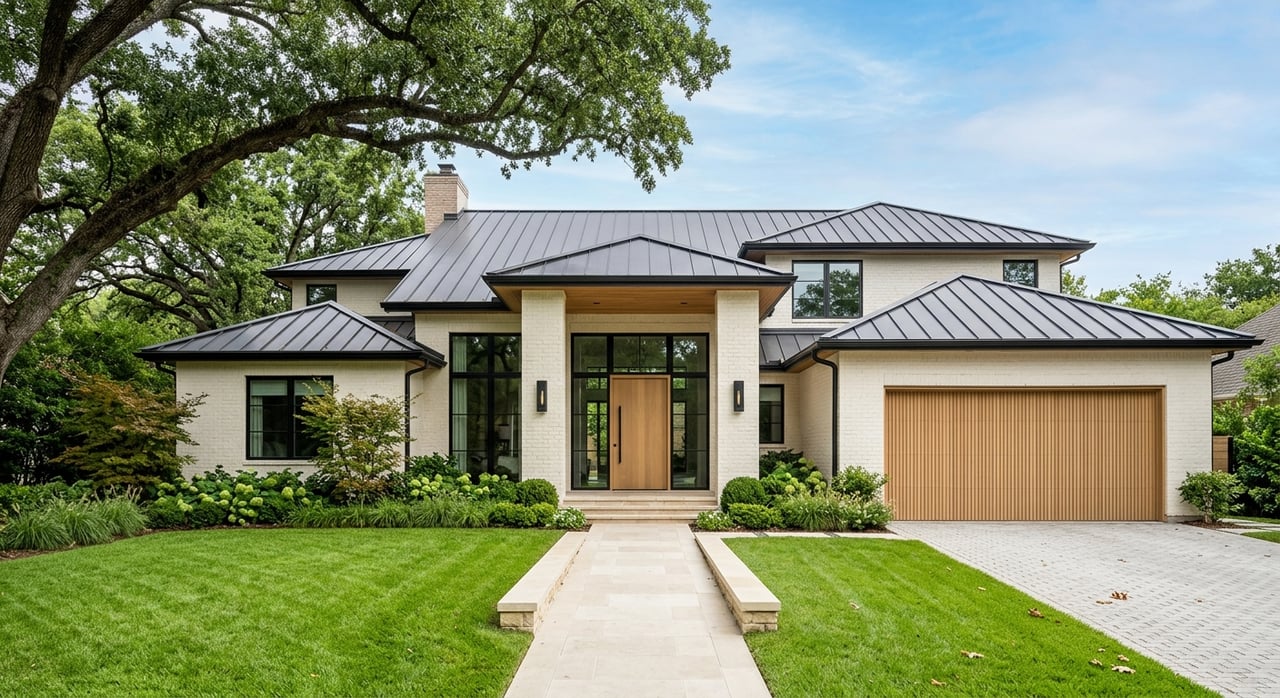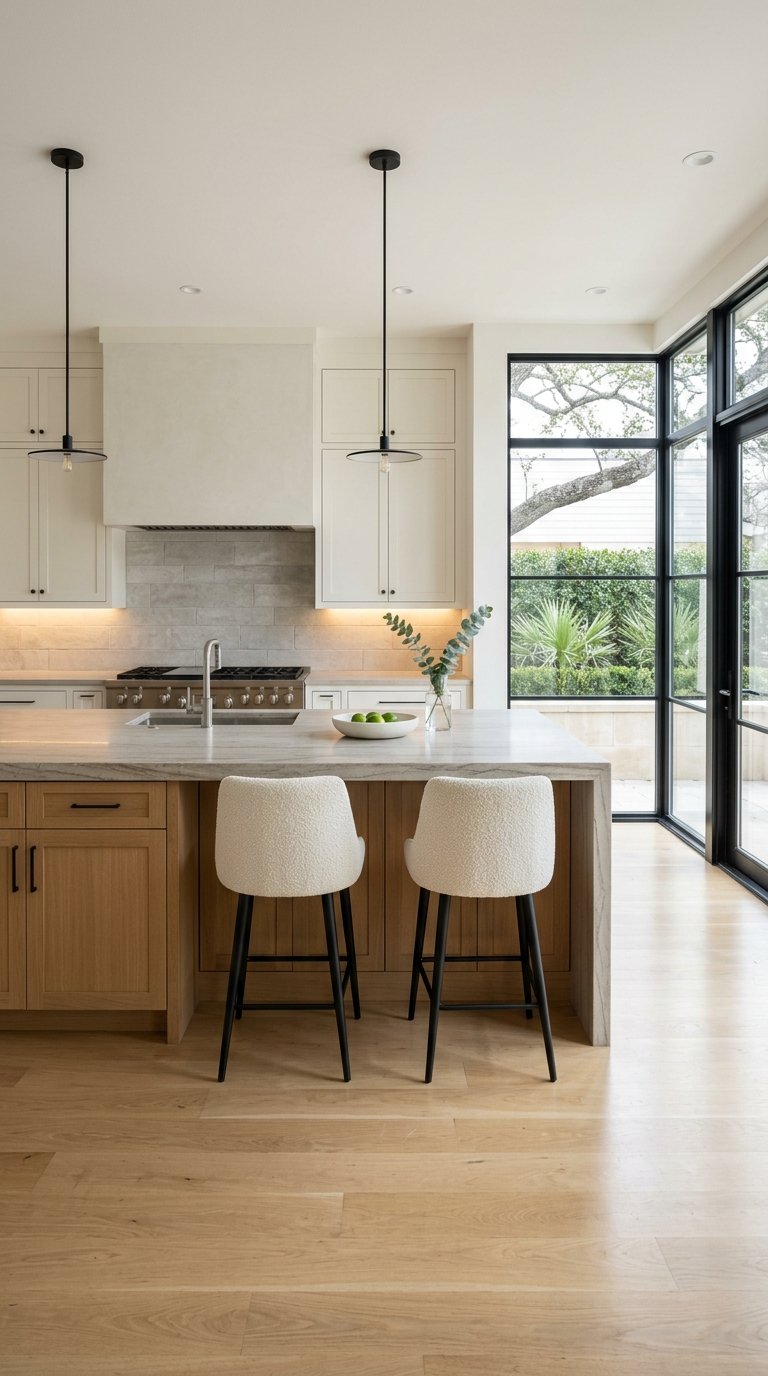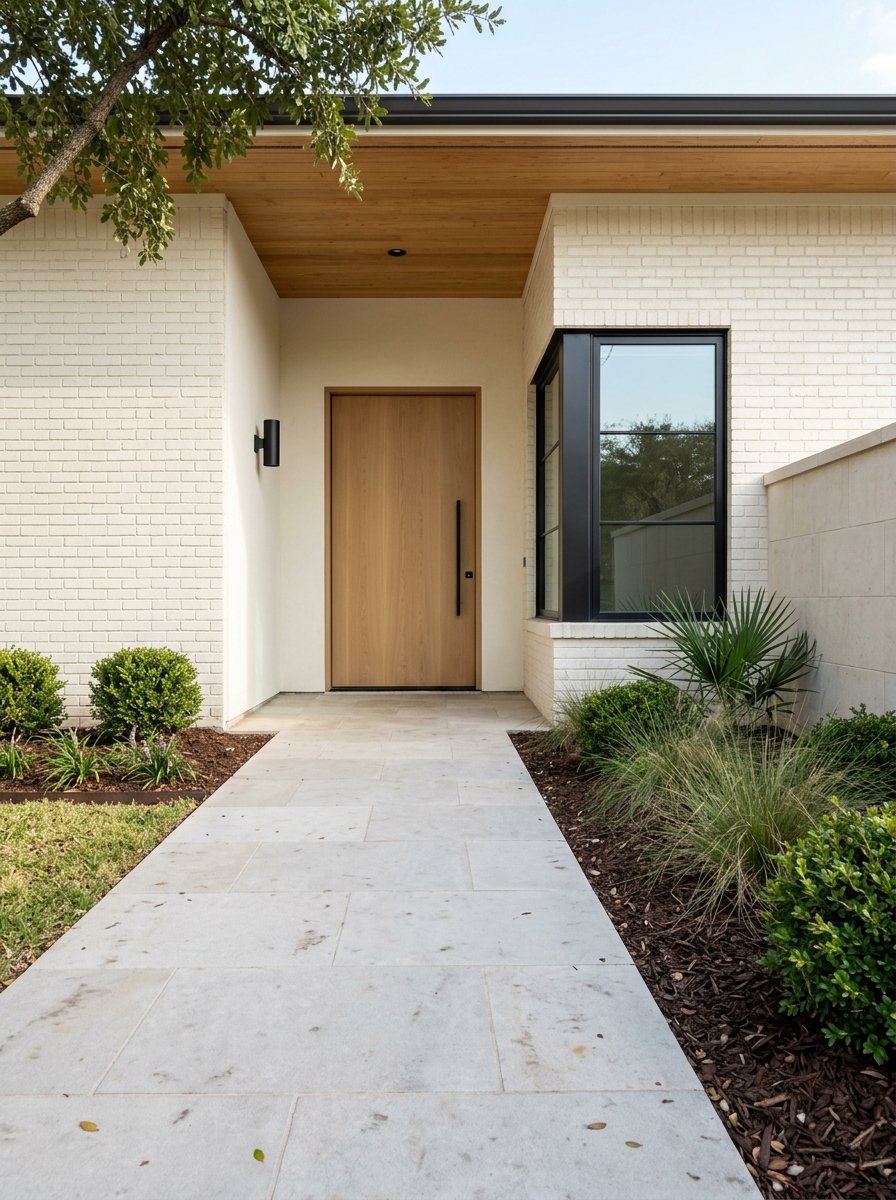
Trying to choose between a custom build, a spec home, and a resale in The Woodlands? You are not alone. Many buyers know the lifestyle they want, but the path to getting there can feel less clear, especially in a community where neighborhood standards, approvals, and timing all play a major role. This guide will help you compare each option, understand how The Woodlands market shapes your decision, and identify which path may fit your goals best. Let’s dive in.
Why the choice matters in The Woodlands
The Woodlands is not a one-size-fits-all market. It is a 28,500-acre master-planned community about 27 miles north of downtown Houston, with roughly 115,000 to 120,000 residents, more than 35,000 single-family homes, 151 parks and 220 miles of pathways and streetscape. That variety creates real opportunity, but it also means your best option depends on your timeline, budget, design priorities, and appetite for complexity.
In The Woodlands, the decision is not just about the house itself. It is also about how the community is governed. According to The Woodlands Township deed restriction guidance, exterior changes, additions, and new construction may require review and approval, and lot-specific neighborhood criteria can vary.
Custom homes in The Woodlands
A custom home is designed for a specific buyer and location. The National Association of Home Builders explains that custom buyers typically choose the homesite, the design, and many of the materials and finishes, with builders spending more time per project than production builders.
In The Woodlands, that can be especially appealing if you want a highly tailored layout, site-specific architecture, or a more distinctive finish level. Official development materials have identified limited custom-home opportunities in areas such as Grogan’s Mill, East Shore, and Carlton Woods Creekside, and official builder references have included true custom builders.
What “custom” really means locally
Custom does not mean unlimited freedom in The Woodlands. The Township’s Residential Standards make clear that improvements must comply with recorded covenants and standards, and neighborhood criteria may regulate setbacks, living area, materials, colors, and hard-surface limits.
That means a custom home here is still shaped by the rules of the community. If you are considering this route, you should think of it as custom within a structured framework, not custom without boundaries.
Best fit for custom buyers
Custom often makes the most sense if you:
- Want a very specific floor plan or architectural look
- Value lot selection and site orientation
- Are comfortable with a longer timeline
- Can work through design review and approval steps
- Prefer a more tailored end result over immediate move-in
For move-up buyers and relocating clients with a clear vision, custom can be the strongest fit. Still, it usually requires the most patience and the most decision-making.
Spec homes in The Woodlands
A spec home, short for speculative home, is built before a buyer is under contract. As Rocket Mortgage explains, the builder selects the floor plan and most finishes, then offers the home for sale as move-in-ready or near completion.
In The Woodlands, spec inventory remains part of the new-construction landscape. The official community website continues to reference inventory listings and model-home tours, which signals that buyers can still find new homes that are already underway or completed.
How much can you change?
In most cases, spec homes offer the least flexibility of the three paths. If the home is still under construction, you may have limited finish choices available. Once construction is complete, buyer changes are usually minimal.
That said, the tradeoff is speed. If you want newer construction without waiting through a full design-and-build cycle, a spec home can be a smart middle ground.
Best fit for spec buyers
A spec home may work well if you:
- Need a faster move-in timeline
- Prefer a new home with modern finishes
- Want more price certainty than a custom build
- Do not need to redesign the floor plan from scratch
- May benefit from builder incentives on standing inventory
For many relocating buyers, this is one of the simplest ways to balance convenience with the appeal of new construction.
Resale homes in The Woodlands
A resale home is a previously owned and occupied property. According to Rocket Mortgage’s overview of resale homes, resale properties are often located in established neighborhoods and may offer a lower entry price than new construction, though they can also come with maintenance needs, older layouts, or outdated finishes.
In The Woodlands, resale homes are especially important because they open the door to established village settings, mature landscaping, and a wider mix of architectural styles and lot types. If your priorities include location within a specific part of the community, resale may give you the broadest set of options.
The hidden issue buyers should not ignore
With resale homes in The Woodlands, due diligence matters in a very local way. The Township’s Residential Standards state that current owners can be responsible for existing violations, even if prior work was done by a previous owner without approval.
That is a big reason to review permits, exterior changes, additions, and covenant compliance carefully before closing. A beautiful resale home may still need a deeper look behind the scenes.
Best fit for resale buyers
A resale home may be the right choice if you:
- Want access to established sections of The Woodlands
- Prefer mature surroundings over newer-build inventory
- Need more options across price points and styles
- Are comfortable budgeting for updates or maintenance
- Want room to negotiate based on condition or repairs
For buyers who value location and immediate availability, resale is often the most flexible category in terms of selection.
Comparing timeline, flexibility, and cost
Your decision usually comes down to a few practical questions: How soon do you need to move? How much control do you want? And how comfortable are you with change orders, inspections, or future renovations?
Here is a simple way to compare the three paths.
| Home Type | Timeline | Design Flexibility | Typical Cost Position | Negotiation Potential |
|---|---|---|---|---|
| Custom | Longest | Highest | Usually highest per square foot | Earlier in process on lot, scope, and allowances |
| Spec | Usually fastest among new builds | Limited | Often below comparable custom | Incentives, closing costs, or upgrades may be possible |
| Resale | Can be immediate | Low before closing, higher after purchase through renovation | Often lower entry price, but updates can add cost | Repairs, price, and terms often negotiable |
The NAHB notes that custom homes generally carry the widest cost range and can run roughly $200 to $500+ per square foot for luxury product, depending on features and location. Meanwhile, official development materials for The Woodlands show that new construction has historically spanned a broad price spectrum rather than one single tier, from lower price points to homes above $1 million in different neighborhoods and product types.
What the current market means for buyers
Market conditions matter because they can shift where you have leverage. In February 2026, Realtor.com reported that The Woodlands was a buyer’s market, with a median home price of $615,000, median days on market of 30, and a 93% sale-to-list ratio.
That does not mean every home is equally negotiable. Well-positioned properties in desirable price bands may still move quickly, while homes that have been sitting longer may offer more room to negotiate. In practical terms, buyers may have more leverage today than in a strongly seller-favored market, but strategy should still be tailored to the specific home type, condition, and neighborhood.
Where negotiation may differ by home type
For custom homes, your negotiating window usually comes earlier. You may be discussing lot choice, allowances, materials, and overall scope before construction is complete.
For spec homes, opportunities may show up in the form of incentives. Builders may be more open to discussing closing costs, upgrades, or pricing on inventory they want to move.
For resale homes, leverage often comes from inspection findings, deferred maintenance, days on market, or seller motivation. That can create meaningful openings, especially if a property needs updates or has been listed for a while.
How to choose the right path
If you are still weighing all three options, start with your non-negotiables. In most cases, one or two factors will quickly narrow the field.
Choose custom if design is your priority
If your top goal is creating a home around your lifestyle, custom usually gives you the most control. This path can be especially attractive if you care deeply about layout, finish selection, and how the home sits on the lot.
The tradeoff is time and process. In The Woodlands, that process includes community standards and approvals, so your timeline should include more than just construction.
Choose spec if speed and simplicity matter most
If you want newer construction with fewer moving parts, spec may be the best fit. You get the benefit of a new home without managing every design choice and every pre-construction decision.
This can be ideal if you are relocating, working on a defined timeline, or simply want a cleaner, more predictable path to closing.
Choose resale if location and selection lead the way
If your priority is getting into a particular section of The Woodlands or finding a home with established surroundings, resale often gives you the broadest range of opportunities. It can also make sense if you are open to cosmetic updates in exchange for a better location or lot.
Just be sure your due diligence is thorough. In this market, permit history and covenant compliance are part of the resale conversation.
A smart Woodlands-specific approach
The biggest mistake buyers make is treating custom, spec, and resale as if they work the same everywhere. In The Woodlands, the structure of the community changes the process. Covenants, neighborhood criteria, review requirements, and the mix of inventory across villages all shape what is realistic.
That is why local guidance matters. A strong strategy is not just about choosing the nicest home. It is about matching your goals to the right product type, the right timeline, and the right neighborhood context.
Whether you are searching for a move-in-ready home, evaluating new-construction inventory, or exploring a custom opportunity, working with a team that understands both product and process can save you time and help you avoid expensive surprises. If you want tailored guidance on buying in The Woodlands, connect with Carol Wolfe Properties for discreet, concierge-level support.
FAQs
What is a custom home in The Woodlands?
- A custom home in The Woodlands is designed for a specific buyer and homesite, but it still must comply with community covenants, standards, and lot-specific neighborhood criteria.
What is a spec home in The Woodlands?
- A spec home in The Woodlands is a new home built before a buyer is under contract, with the builder choosing most of the floor plan and finishes.
Can you make changes to a spec home before closing in The Woodlands?
- You may be able to choose some finishes if the home is still under construction, but once a spec home is complete, changes are usually very limited.
Are resale homes in The Woodlands risky because of permit issues?
- Resale homes can require extra review because current owners may be responsible for prior unapproved work, which makes permit and covenant checks especially important.
Which home type is usually fastest to buy in The Woodlands?
- Spec homes are usually the fastest new-construction option, while some resale homes can also close quickly if they are available and inspection issues are limited.
Which home type offers the most negotiation room in The Woodlands right now?
- Negotiation room depends on the home, price range, condition, and days on market, but current market data suggest buyers may have more leverage than in a strongly seller-favored market.