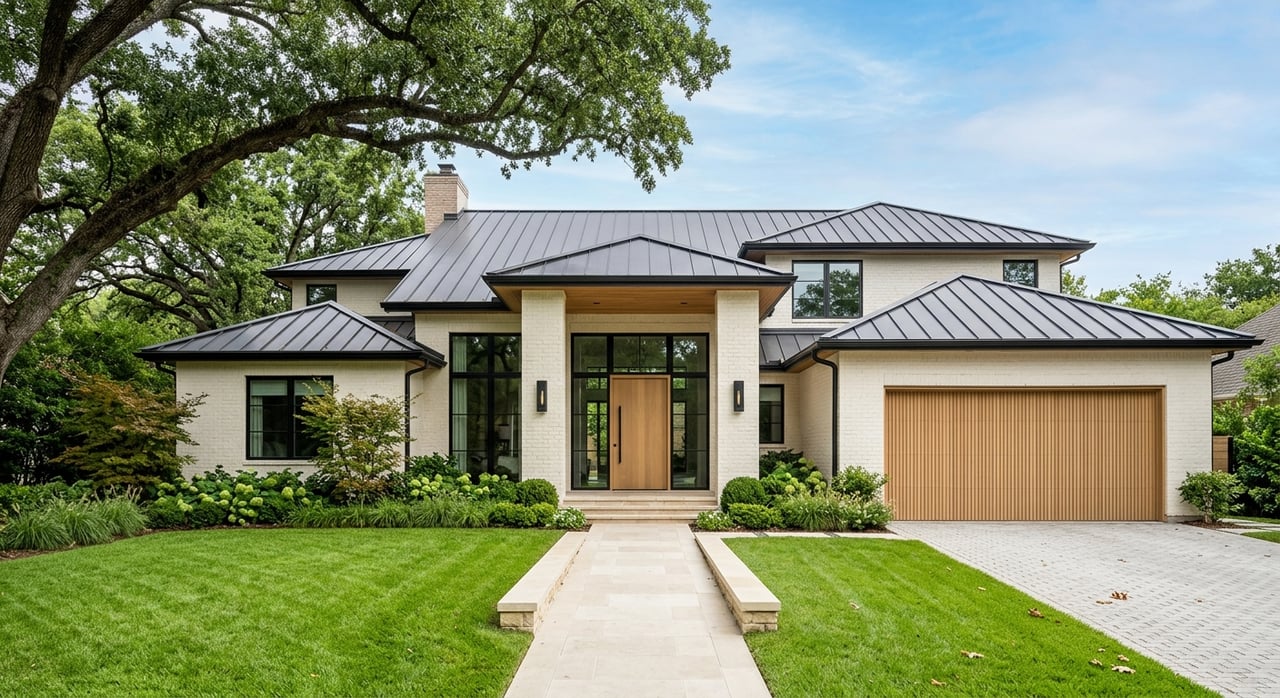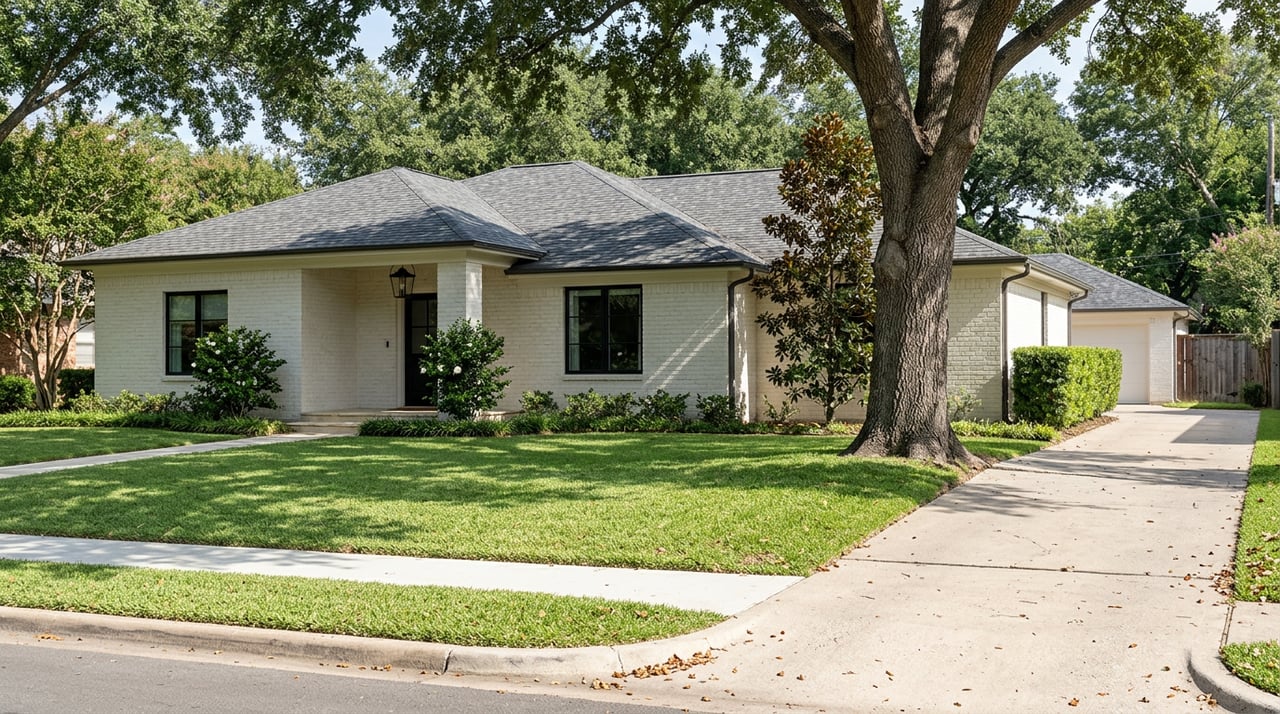
Are you trying to figure out whether the dirt under your River Oaks house is worth more than the house itself? You are not alone. In parts of Tarrant County’s River Oaks, older homes sit on generous, tree‑shaded lots, which can shift the balance between land value and structure value. In this guide, you will learn a simple way to read that balance, the local rules that affect it, and how to decide between renovating and rebuilding. Let’s dive in.
First, the right River Oaks
There are two places called River Oaks in Texas. This article covers the small City of River Oaks in Tarrant County, near Fort Worth, not the Houston neighborhood with the same name. For quick context, River Oaks, Texas is an incorporated city served by Castleberry ISD and known for its large, wooded lots and small‑city feel minutes from downtown Fort Worth. You can confirm the location on the River Oaks, Texas page and in the city’s community brochure highlighting mature oaks and lot character.
Lot value vs home value, in plain English
Every property is a bundle of two parts: the land and the improvements. In Tarrant County, the appraisal roll separates these pieces, which gives you a quick read on what is driving value.
- Start by pulling your property on the Tarrant Appraisal District site. Look for Market Land Value and Market Improvement Value.
- If the land makes up a large share of total market value, your parcel may be “land‑heavy.” That can point to higher redevelopment potential, but it is only one input.
- Private appraisers often use allocation and extraction methods to estimate land versus structure value from comparable sales. The goal is to understand the land’s contributory share, not to force a teardown.
Why the land share matters
When land accounts for much of a property’s total value, investors and builders pay closer attention to the dirt. If a new home that suits the lot can sell for more than the cost to buy the lot and build, a teardown can pencil. If not, targeted renovations usually make more sense. The appraisal split helps you decide which path to explore first.
Local rules that shape land value
Land value is never just about square footage. In River Oaks, specific rules, site conditions, and private restrictions can raise or limit what the land can support.
Permits and plan review
River Oaks requires permits for new construction, additions, remodels, and right‑of‑way or utility work. The city’s permit and plan submittal process calls out stormwater controls, floodplain questions, and asbestos requirements for older homes, all of which affect timing and cost. Review the city’s Permits and Building Inspections page and the building permit application before you budget.
Zoning, setbacks, and lot coverage
Zoning controls how big you can build, where you can place the structure, and whether you can subdivide. Setbacks, height limits, and lot coverage rules directly impact the buildable footprint. Check the city code for the district that applies to your lot using the River Oaks zoning code. If you are thinking about a larger home or a different use, talk with the city planner early.
Floodplain and drainage
Parts of River Oaks are in regulated floodplains and may require elevation, floodproofing, or limits on habitable space. These rules add cost and can change a project’s feasibility. Always verify your parcel’s status on FEMA or local flood studies. Start with FEMA’s overview of flood mapping resources and ask the city whether a Floodplain Development Permit is needed.
Trees, easements, and private restrictions
The city highlights mature oaks and wooded lots as a defining feature, which many buyers value. Mature trees, recorded utility or drainage easements, and private deed restrictions can reduce buildable area or add removal and mitigation costs. Ask for the current plat, any recorded restrictive covenants, and HOA architectural review requirements. The city code and recorded documents are the authorities on what is allowed; start your review with the city’s code library and request covenants from your title company.
Reading the market: signals to watch
Here is a simple framework to gauge whether land or the existing structure is driving value on your River Oaks property.
- Land share on the appraisal roll. If Market Land Value is a large share of the total on TAD, redevelopment could be viable. Use this as a filter, not a final answer.
- Recent vacant‑lot pricing nearby. If active lot listings or recent sales are strong relative to older home prices on comparable lots, demand is land‑driven. Your agent can pull nearby pricing from MLS.
- New‑construction comps. What do recently completed new homes on similar lots sell for? New construction typically commands a per‑square‑foot premium over older inventory. This helps you estimate an achievable resale price if you rebuild.
- Renovation ROI norms. Targeted exterior and curb‑appeal projects often recoup more than large, upscale additions. Review national benchmarks in Remodeling Magazine’s 2024 Cost vs. Value report. Use local comps to refine the picture.
- Build‑cost reality. In the DFW area, a practical midrange build‑cost band often falls around $130 to $260 per square foot, depending on sitework, foundation, utilities, finishes, and code requirements. For ballpark context, see Angi’s guide to Dallas new‑home construction costs. Always get local quotes.
A simple math example
Consider this purely illustrative scenario to show how investors think:
- Example lot price: $530,000 for roughly 0.67 acres.
- Example build cost: a 2,200 square foot home at $200 per square foot is about $440,000 for the structure. Sitework, permits, design, utilities, and financing costs are extra.
- Total project estimate: roughly $970,000 before soft costs and contingencies.
If recent new‑build sales on similar lots in River Oaks do not support a resale near or above that figure, a teardown likely will not pencil for an investor. In that case, a targeted renovation plan could be the better move. If new‑build comps do support that range, then the numbers justify deeper due diligence. Always confirm with a local appraiser who can test the market with current sales.
Your due‑diligence checklist
Use this step‑by‑step list before you commit to renovate or rebuild.
- Pull the TAD account. On TAD’s site, note Market Land Value versus Market Improvement Value for the address. If land is a large share, flag the parcel for closer review.
- Order a current survey. An ALTA or updated plat will confirm lot lines, easements, and any recorded setbacks. The city’s permit materials make clear that owners are responsible for accurate surveys. See the permit application for submittal needs.
- Check flood maps early. Use FEMA’s resources to determine floodplain status and ask the city whether a Floodplain Development Permit is required. Start here: FEMA flood mapping overview.
- Confirm zoning and setbacks. Verify permitted uses, height, coverage, and subdivision rules for your lot using the city zoning code. These rules shape buildable area and maximum home size.
- Get contractor estimates. Request 2 to 3 bids for targeted renovation and for demolition plus new build. Include demolition, debris haul‑off, permit, stormwater measures, and an asbestos survey if the home is older, as flagged in the city’s permit application.
- Ask about area plans. Speak with the city planner about any corridor studies, road work, or stormwater projects that could affect timing or access. The city shares updates on redevelopment corridors in its news and articles.
- Check private restrictions. Request recorded covenants and any HOA architectural review rules early, since some subdivisions control exterior changes and demolitions. The city code library is a good starting point for references.
- Talk to a local appraiser. An appraiser can extract land value from nearby sales and test whether a hypothetical new build is supported by current comps. This is your primary valuation check.
Renovate or rebuild: how to choose
Deciding between a renovation and a teardown comes down to math, rules, and your timeline.
- Run the numbers. Compare a realistic renovation budget to a new‑build budget, then test both against nearby sale prices for comparable finished homes. Use the TAD land versus improvement split to guide your initial direction.
- Verify what you can build. Zoning, setbacks, floodplain rules, trees, and easements can shrink the footprint or add cost. If a replacement home would be smaller than you expect, renovation may make more sense.
- Factor time and permitting. Plan for submittals, inspections, and possible floodplain or stormwater reviews. For complex projects, it is prudent to assume 60 to 120 or more days for entitlement and permitting, depending on city workload. Review the city’s permit guidance before you set expectations.
- Keep resale in view. Renovations that boost curb appeal and fix functional issues tend to recoup more at resale than large, high‑end additions. Use the Cost vs. Value report as a benchmark, then anchor your decisions to local comps.
Buyer and seller takeaways
- If land is the larger slice of your TAD market value and nearby lot sales are strong, your parcel’s value may be land‑driven. That shifts your strategy toward either selling the lot at a premium or designing a replacement home that the market supports.
- If structure value still dominates and zoning or floodplain rules limit expansion, a smart, targeted renovation can protect and grow equity.
- In both cases, a clean survey, early conversations with the city, accurate cost estimates, and an appraiser’s view of new‑build support are the keys to moving forward with confidence.
If you want a clear, numbers‑first perspective on lot value versus home value, or you need introductions to trusted appraisers, builders, and designers, we are here to help. Reach out to Carol Wolfe Properties for discreet guidance tailored to your goals.
FAQs
What does “lot value vs home value” mean in River Oaks, Tarrant County?
- It is the split between the land’s market value and the structure’s value on a property. You can see both on the Tarrant Appraisal District record for your address.
How do I tell if my River Oaks lot is worth more than my house?
- Check your TAD record for Market Land Value and Market Improvement Value. If land is the larger share and nearby lots sell strongly, land likely drives value. Confirm with a local appraiser.
Do River Oaks permits make teardowns slower or more expensive?
- Yes, permits, stormwater and floodplain reviews, asbestos rules for older homes, and inspections add time and cost. Plan for 60 to 120 or more days on complex projects and review the city’s permit guidance.
How do floodplains affect lot value and build options in River Oaks?
- Lots in floodplains often face elevation, floodproofing, or use limits that add cost and can reduce buildable area. Check FEMA resources and ask the city if a Floodplain Development Permit is required, starting with FEMA’s overview.
What renovation projects usually recoup best at resale near Fort Worth?
- Curb‑appeal and targeted exterior updates tend to recoup more than large, upscale additions on average. Use the 2024 Cost vs. Value report as a benchmark and compare to local comps.
What is a reasonable build‑cost range to test for a River Oaks new build?
- A practical midrange band many owners use for initial math is about $130 to $260 per square foot in the DFW area, but sitework and finishes drive big swings. For context, see Angi’s Dallas build‑cost guide and get local bids.