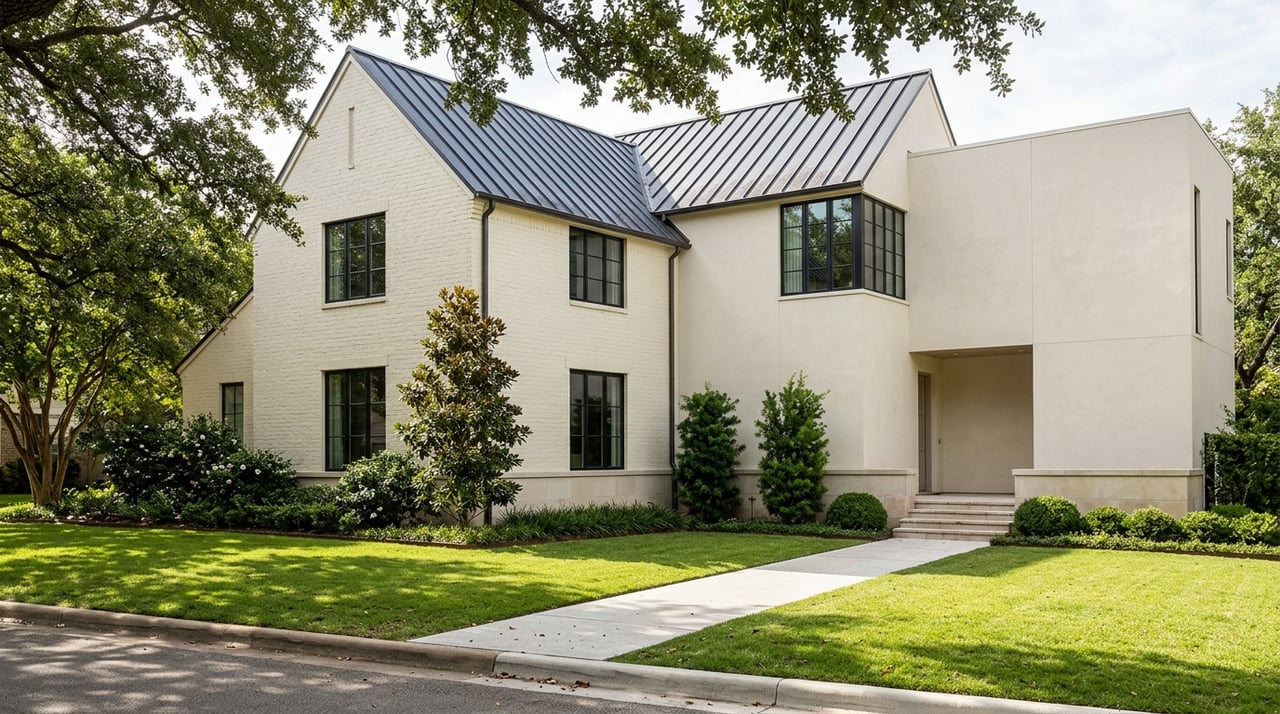
Wondering why one River Oaks home feels stately and formal while another feels sleek and open? In River Oaks, architectural style is more than curb appeal. It often shapes how a home lives, what kind of upkeep it may need, and how much original character has been preserved over time. If you are buying in this iconic Houston neighborhood, understanding the main styles you will see can help you read listings more clearly and tour homes with sharper instincts. Let’s dive in.
Why River Oaks Has So Much Variety
River Oaks began as a planned residential district in 1924, with architectural controls that helped create a coordinated streetscape even as homes were built across different decades. The neighborhood covers roughly 1,100 acres, and its organic road pattern adds to the feeling that each home has its own presence while still fitting into a larger whole.
That history matters when you shop for a home here. River Oaks is not a one-style neighborhood. Buyers often see a mix of early revival architecture, postwar contemporary design, and updated homes that blend historic exteriors with more modern interiors.
Colonial Revival in River Oaks
Colonial Revival is one of the clearest architectural styles you will see in River Oaks. These homes often present a balanced, symmetrical front elevation with a prominent entry, classical detailing, and a more formal appearance from the street.
Common visual cues include:
- Symmetrical facades
- Pediments or gables
- Columns or pilasters
- Fanlights or sidelights around the entry
- Brick veneer or painted brick
- Wood sash windows
For you as a buyer, Colonial Revival often suggests a layout that feels orderly and composed. Rather than one large flowing living area, the room arrangement may feel more defined, which can appeal if you like a sense of structure and traditional character.
Tudor Revival in River Oaks
Tudor Revival is just as important to River Oaks, and it was even required in some early deed restrictions along Kirby Drive. That early influence still shows up today in homes with a more storybook, textured, and picturesque look.
You can often spot Tudor Revival by these features:
- Steeply pitched roofs
- Cross gables
- Decorative half-timbering
- Tall, narrow windows
- Prominent chimneys
- A mix of brick, stone, stucco, and wood
Inside, Tudor homes often feel more segmented and cozy than more open modern homes. If you prefer distinct rooms, rich materials, and a sense of architectural drama, this style may stand out to you quickly during showings.
Other Traditional Styles Buyers Notice
River Oaks also includes other revival-style homes beyond Colonial and Tudor. In the historic record, French Eclectic and Southern Colonial appear as part of the neighborhood’s early design language, and some homes blend multiple references such as French, Tudor Revival, English Manorial, and Spanish Colonial elements.
This matters because a listing may describe a home as simply “traditional,” but that label can cover several different architectural expressions. One house may lean more formal and symmetrical, while another may have a softer European look or climate-aware features like high ceilings that supported passive cooling.
Contemporary Homes in River Oaks
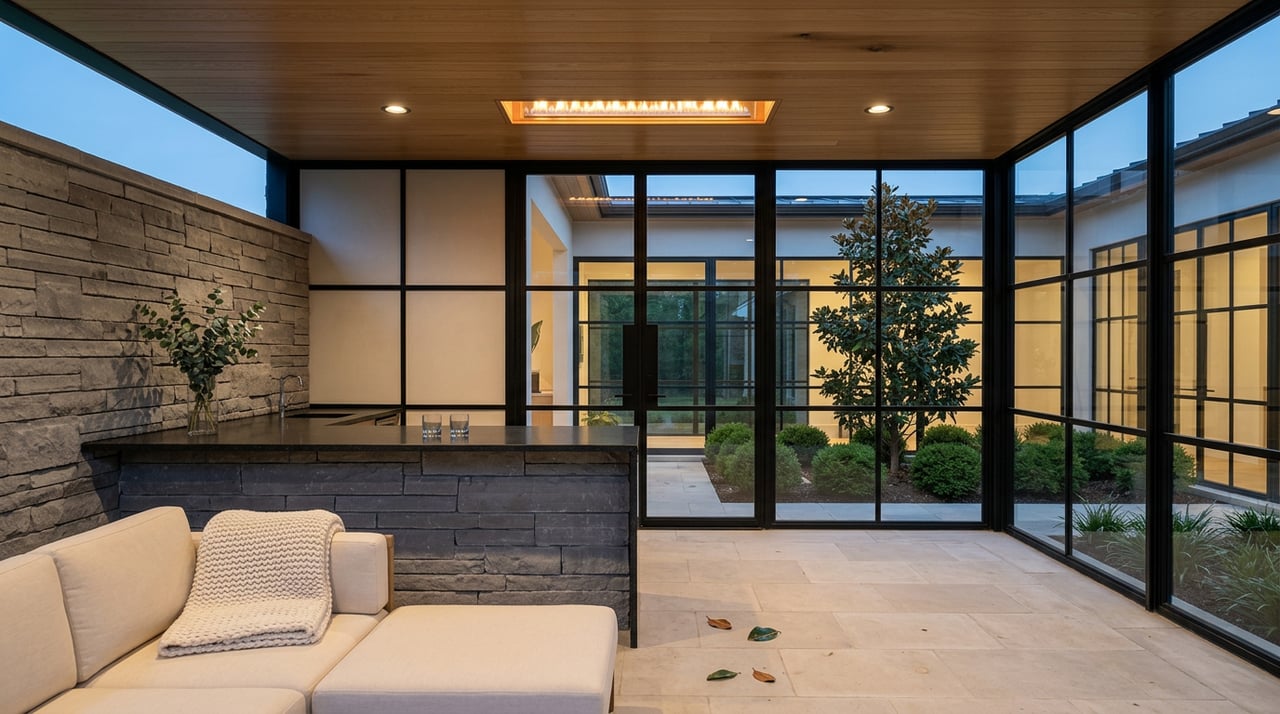
River Oaks is also home to a notable modern and contemporary layer. These homes stand apart from revival houses with cleaner lines, simpler ornament, and a more open relationship between interior and exterior spaces.
A contemporary River Oaks home may include features such as:
- Flat or low-profile rooflines
- Asymmetrical facades
- Smooth stucco finishes
- Minimal ornament
- Large wall expanses
- Broad use of glass
For many buyers, these homes feel lighter and more casual. Floor plans may be more open, with larger communal spaces and fewer formal separations between rooms.
Transitional Homes and Updated Hybrids
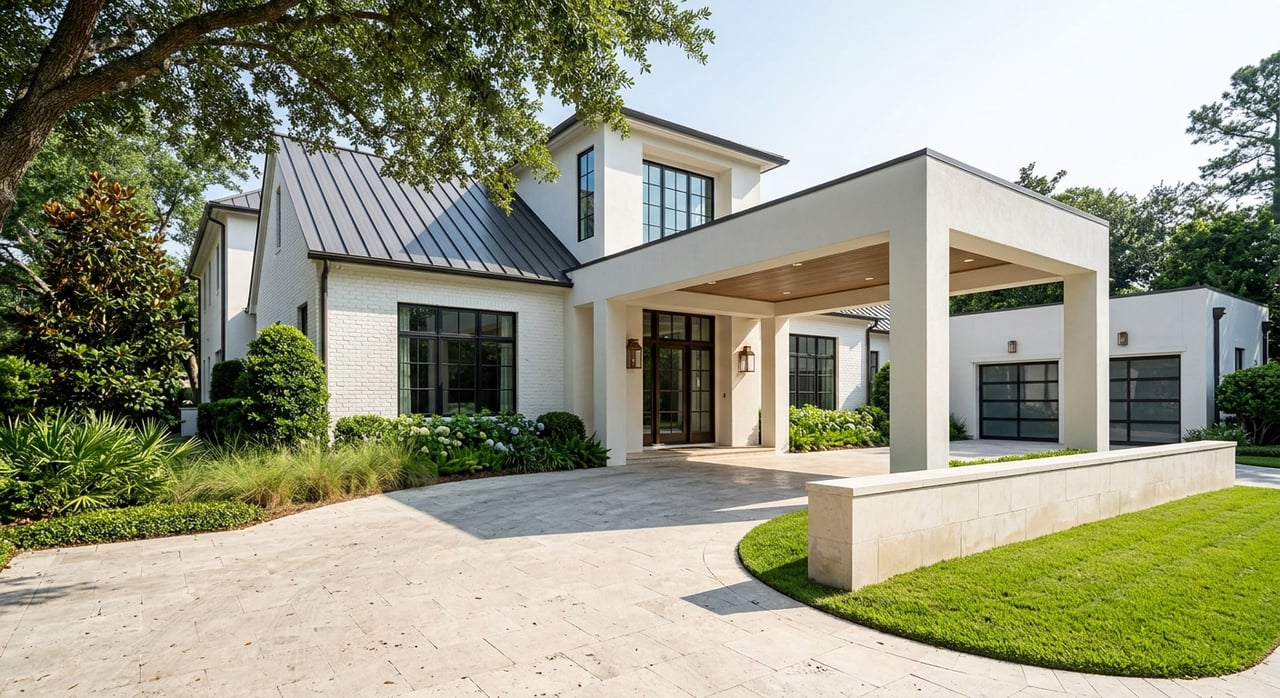
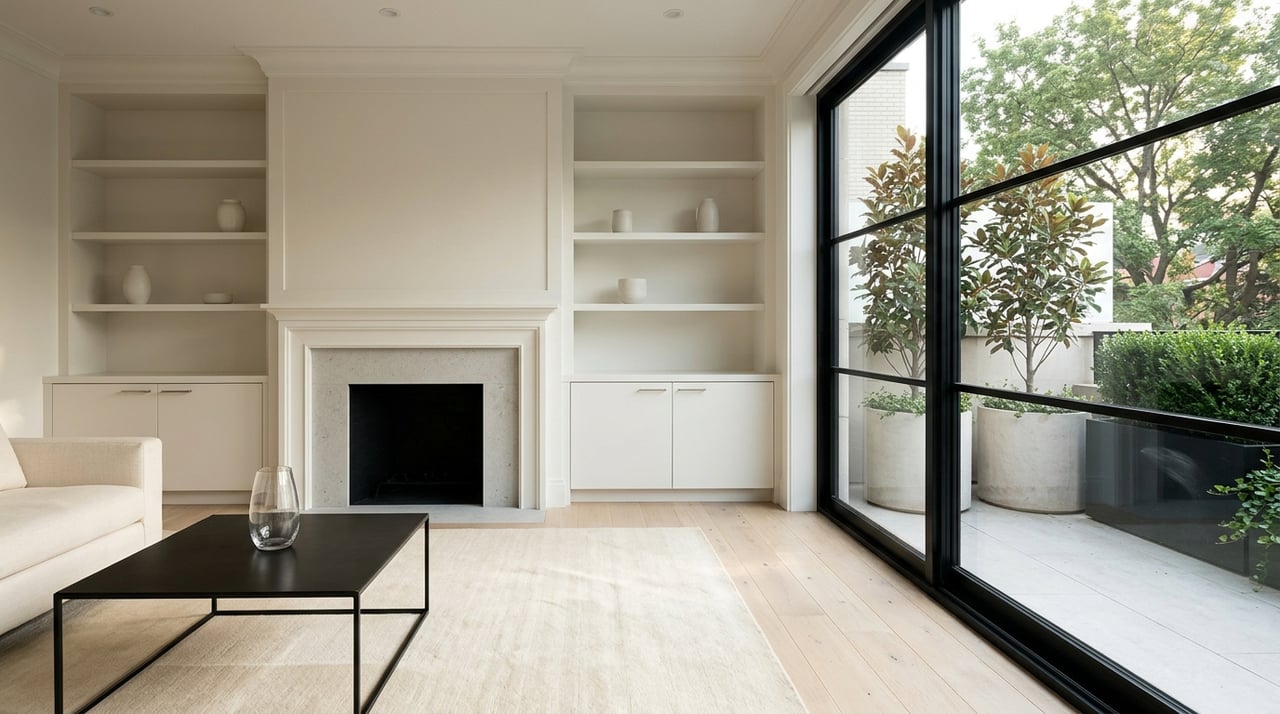
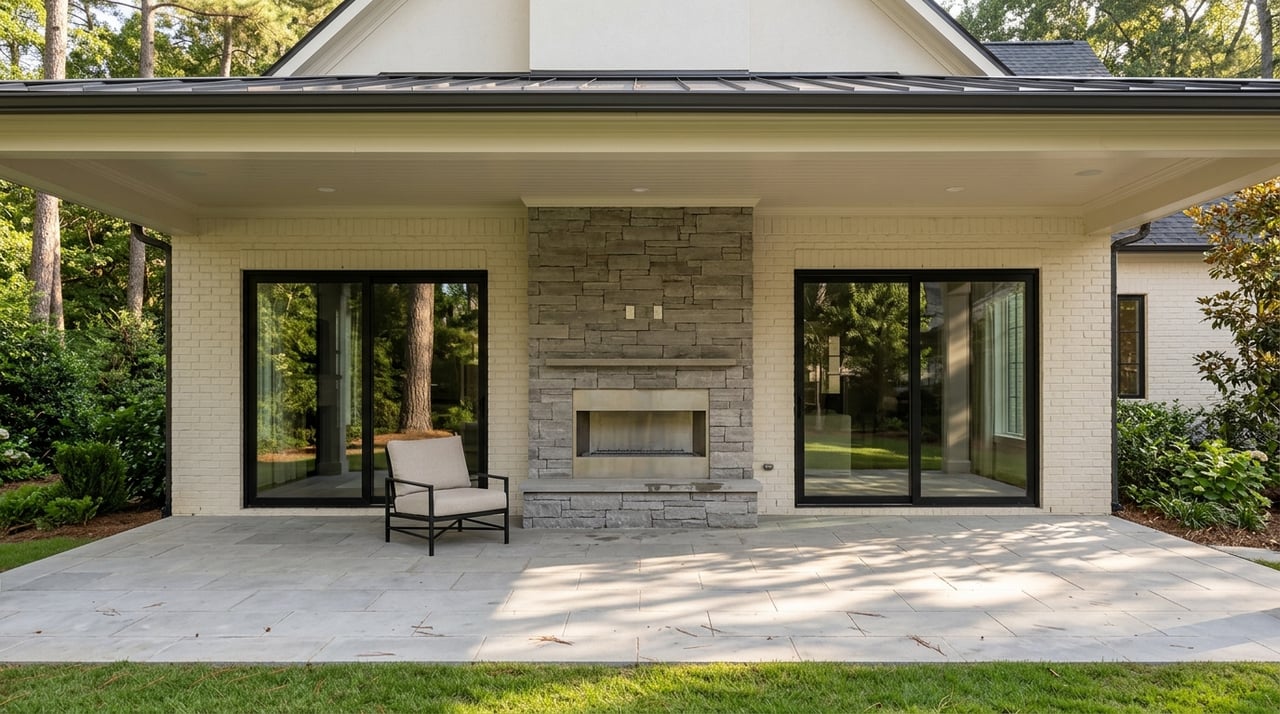
In current listings, “transitional” is usually a market term rather than a historic architectural style. In River Oaks, it often refers to a home that keeps traditional massing or a recognizable historic shell while updating the interior with cleaner finishes and a more modern flow.
You may see a house with original exterior proportions and detailing, but inside find simplified trim, renovated kitchens and baths, and fewer ornate decorative features. That combination can be especially common where the exterior retains its historic identity while interior spaces have been tailored for current living preferences.
How Style Affects Daily Living
Architectural style is not just about what looks beautiful in photos. It can also hint at how a home functions day to day.
Traditional revival homes often feel more formal, with rooms that are defined rather than fully open. That can be a great fit if you value separation between living, dining, and entertaining spaces.
Contemporary homes tend to lean toward openness, lighter sightlines, and a simpler material palette. If you want broader communal areas and a more pared-back atmosphere, modern design may feel more natural.
Transitional homes often sit in the middle. They can offer the visual charm of a traditional exterior with the easier flow and updated finishes many buyers want today.
What Buyers Should Know About Historic Designation
Some River Oaks properties are treated by the City of Houston as historic landmarks. On designated homes, exterior work can be regulated, which means changes to the outside of the home may need to follow preservation rules.
For you, that does not automatically mean a home is difficult to own. It does mean you should understand whether a property is designated and how that may affect future exterior alterations, additions, or maintenance decisions.
Maintenance Often Follows Style
One of the smartest ways to evaluate a River Oaks home is to connect style with maintenance. The architecture can give you clues about what kind of care the property may need over time.
Older masonry and stucco homes may require periodic attention to mortar, plaster, paint, and roofing. Preservation guidance also emphasizes repair-minded upkeep over unnecessary replacement, especially for original materials.
Wood windows are another example. In many older homes, they are worth preserving when possible because careful repair can extend their life for many years.
Modern homes are not automatically lower maintenance just because they look simpler. Flat or low-slope roofs, sealants, and large glazed openings can require regular waterproofing and drainage attention to protect the home’s envelope.
A Simple Way to Read River Oaks Listings
When you review River Oaks listings, it helps to think in three broad categories:
- Original traditional: Revival-style homes with historic detailing and often more formal layouts
- Original modern: Contemporary homes with open living patterns and cleaner architectural lines
- Transitional update: Homes that combine a traditional shell with modernized interiors and finishes
This framework can tell you more than a listing adjective alone. It often gives you a better sense of floor plan, finish palette, and likely maintenance needs before you even step inside.
What This Means for Your Home Search
In River Oaks, style is part of value, lifestyle, and ownership experience. The right fit depends on whether you are drawn to formal symmetry, romantic period detail, open modern living, or a blended approach that offers both history and convenience.
That is where experienced local guidance matters. When you understand how River Oaks architecture evolved, you can compare homes with more confidence and focus on the properties that truly match the way you want to live.
If you are considering a purchase in River Oaks and want discreet, highly personalized guidance on architectural styles, property positioning, and available opportunities, Carol Wolfe Properties offers concierge-level support tailored to Houston luxury buyers.
FAQs
What architectural styles are most common in River Oaks?
- Buyers in River Oaks most often see Colonial Revival, Tudor Revival, other traditional revival variants such as French Eclectic and Southern Colonial, plus postwar contemporary homes and updated transitional properties.
What does Colonial Revival architecture in River Oaks look like?
- Colonial Revival homes in River Oaks often have symmetrical facades, prominent entries, classical details, brick or painted brick finishes, and a more formal street presence.
What makes Tudor Revival homes in River Oaks different?
- Tudor Revival homes in River Oaks often feature steep roofs, cross gables, half-timbering, tall narrow windows, and strong material contrast, which can create a more picturesque exterior and a cozier interior feel.
Are modern homes common in River Oaks?
- Yes, River Oaks includes a modern layer, including postwar contemporary homes with flat roofs, minimal ornament, open layouts, and larger expanses of glass.
What does transitional mean in River Oaks real estate listings?
- In River Oaks, transitional usually means a home that blends traditional architectural bones or exterior character with updated interiors, cleaner trim, and more modern finishes.
Should buyers in River Oaks pay attention to historic landmark status?
- Yes, some River Oaks properties are designated as historic landmarks, and that can affect how exterior work, alterations, additions, and maintenance are handled.
How does architectural style affect maintenance in River Oaks?
- Style can signal different upkeep needs, such as masonry, stucco, wood window, and roof care in older traditional homes or drainage, waterproofing, and glazing maintenance in contemporary homes.